
Web application maintenance and development
We maintain and develop web applications after launch. We add new features, install updates and look after the server and database backups. Guaranteed response times for failures are set out in a service level agreement (SLA). We work on a monthly plan: a fixed monthly fee covering a set number of hours from our specialists.
When maintenance becomes a problem
-

The application has not been updated for a long time
Libraries and frameworks left without security patches eventually need a migration, which costs more than regular maintenance.
-

The previous contractor has moved on
The application works, but nobody knows its code or its server any more. We take over applications built by other companies, and agree the scope and price after reviewing the code and the server.
-

Users are waiting for new features
The application is used every day and change requests keep coming in. They are handled within a set number of hours each month, in the order you agree with us.
-

Nobody knows who is responsible for a failure
When one company looks after the application and another the server, each blames the other. With us, the application and its infrastructure are handled within one group.
An application needs work after launch, too. Libraries regularly receive security patches, browsers change, and users ask for new features. That is why maintenance covers development and security updates, and fixing failures is only one part of it. How we quote for maintenance and new projects is explained on our custom software development page.
The application and its infrastructure in the same hands
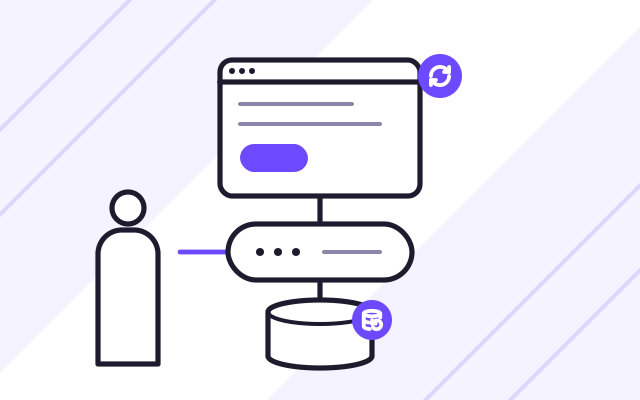
Conetso Software developers work in the same group as the Conetso Group administrators, who manage company servers, networks and security every day. They look after the infrastructure and security, while we are responsible for the application’s code and updates. When something fails, you do not have to coordinate several contractors.
If your company has its own IT team, they handle user support and we take care of the application and its infrastructure. Conetso Group looks after servers and networks across entire companies as part of its managed IT services.
What goes into the contract
- The scope of maintenance: the parts of the application and infrastructure we are responsible for
- Response times for failures, depending on their severity (SLA)
- The number of development hours each month and how work beyond them is billed
- How work is requested and reported
- Rules for access to the code, environments and documentation
We sign a data processing agreement (DPA) together with the maintenance contract.
How we release changes
Changes to the applications we maintain go through automated testing and deployment, and the applications run in containers. The details are on our Kubernetes and DevOps page.
What we do
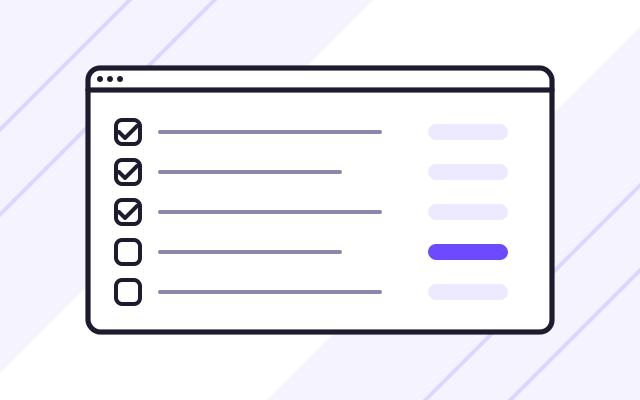
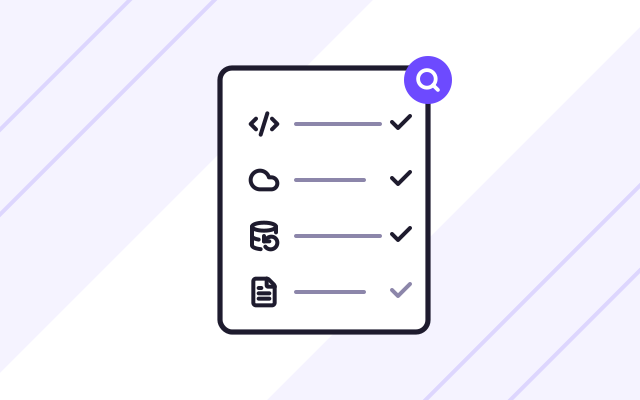
- New features within a set number of hours each month
- Updates to libraries, frameworks and the server operating system whenever security patches are released
- Administration of the server or cloud environment, the domain and the SSL certificate
- Availability monitoring
- Database backups, including a backup before every release
- Technical documentation of the application
- Bug fixes and failure response within the times set in the SLA
- Taking over applications from a previous contractor
- Monthly report on the work done
Who it is for
- Your application is live and you want to keep adding new features
- Your application was built by another company that no longer maintains it
- Your application processes customer data and needs regular security updates
- You need a response time for failures written into your contract
- You have an in-house IT team that supports users but does not work on the application's code or its server
Security updates and database backups
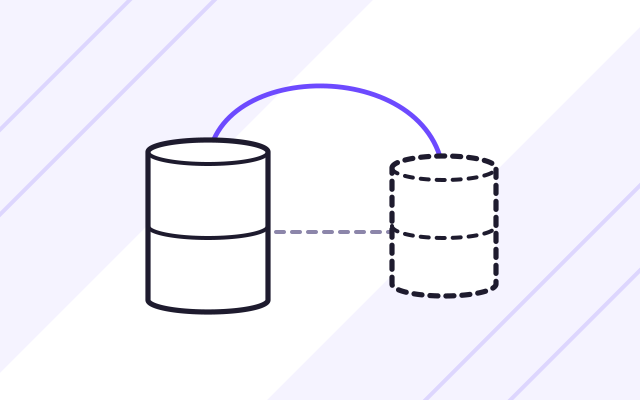
Much of a web application is made of other people's code: the framework, libraries, runtime environment and database. Each of them receives security patches, which we install as they come out. We also back up the database, so data can be restored after a failure.
- Patches for libraries, frameworks and the server operating system
- Availability monitoring
- Database backups
- Domain and SSL certificate administration
Development within a set number of hours
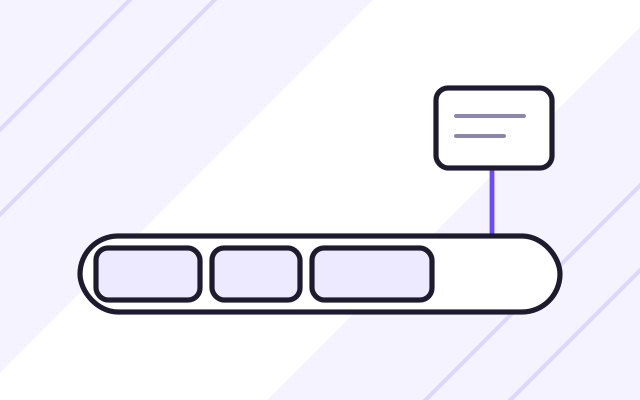
Maintenance is billed as a monthly plan. Within the set number of hours, we add new features and make the changes your users ask for. Larger changes and urgent work outside the plan are billed by the hour.
- New features in the order you choose
- Hours beyond the plan billed separately
Taking over an application from another company
We take over the maintenance of applications built by other companies and quote for the monthly plan individually. We start by reviewing the code, the server, the backups and the documentation. On that basis we decide what needs updating straight away and what can be planned for the coming months.
- Code and server review before the quote
- List of access rights and documents to hand over
- Plan for urgent updates
How we work
-

Application and environment review
We check the code, the server, the backups and the documentation, and agree what needs updating now and what can be planned.
-

Contract and SLA
The contract sets out the scope of maintenance, response times for failures and the number of development hours each month.
-

Requests and priorities
You report bugs and change requests in the way agreed in the contract. Failures that stop work come first, and new features are planned together with you.
-

Testing and releasing changes
Every change is tested, and the database is backed up before each release to the production server. You can try larger features on a test version first.
-

Monthly report
Every month we send you a report on the work done. If your contract covers response times, the report includes them as well.
Pricing
We quote every project individually, after discussing its scope and requirements.
- Application maintenance and development
- Price depends on: server and hosting, backups, required response time (SLA), set number of development hours each month.
- Development work outside the plan
- Price depends on: urgency of the work, the application's technology.
Experience
- After launch, we maintain systems including the MRI booking system, the Offer Exchange platform and the INVENTA Licenses system.
Case studies
-
MRI appointment booking system
Online booking for MRI scans at a private clinic. Patients choose their own appointment slot, and clinic staff manage the appointments.
-
Offer Exchange
A SaaS platform for business purchasing: requests for quotation, quote comparison and orders, with a free plan and paid subscription plans.
-
INVENTA Licenses
A system for managing users and licences for VR applications used in staff training, with portals for clients, distributors and administrators.
Frequently asked questions
What does application maintenance include?
As standard, it covers availability monitoring, security updates, administration of the server, domain and SSL certificate, database backups (including one before every release), technical documentation, bug fixes and new features within the agreed monthly hours. The exact scope and the response time for failures are set out in the SLA.
Will you take on an application built by another company?
Yes. Describe the application and the technology it was built with, and tell us what documentation and access to the code and server you have. From the previous contractor, it helps to get the code with its change history, a copy of the database, the technical documentation and access to the server, the domain and any external services. We review the code and the server before we quote.
How quickly do you respond to failures?
We agree the response time individually with each client and write it into the SLA, together with the hours during which it applies.
What is the difference between response time and resolution time?
Response time runs from the moment you report a problem until we start working on it. Resolution time runs until the application works again, sometimes through a temporary fix. A quick response does not yet mean the failure is fixed, so we recommend setting both in the contract.
We have our own IT team. How do we split the work?
Your IT team handles user support: it manages accounts and computers and takes the first reports. We are responsible for the application and its infrastructure, meaning the code, the server, security, backups and development. The split of responsibilities goes into the contract.
See also
-
Custom web applications for businesses
We build systems for handling orders, quotes and purchases, with separate portals for clients, staff and managers.
-
System integration and process automation
We connect CRMs, invoicing, online payments and industry systems, so nobody has to retype data by hand.
-
SaaS platforms and MVPs for startups
We build first product versions (MVPs) and SaaS platforms with user accounts, subscriptions, payments, licences and APIs.
-
Online booking and appointment systems
Clients book appointments online, staff manage the schedule, and the system sends email and SMS confirmations.
-
Conetso Group
Managed IT services
The Conetso Group team administers servers and networks, monitors infrastructure and runs backups.
-
Conetso Group
Cybersecurity
Protection for the networks and servers your applications run on.
From our blog

Software maintenance agreement: SLA, backups and updates
What to include in a software maintenance agreement for a web application: SLA, backups, updates, monitoring, access to code and ending the contract.